Cambodhrra Cambodian Partnership for Development Human Resource in Rural Area Association
25 August 2026 | Phnom Penh, Cambodia
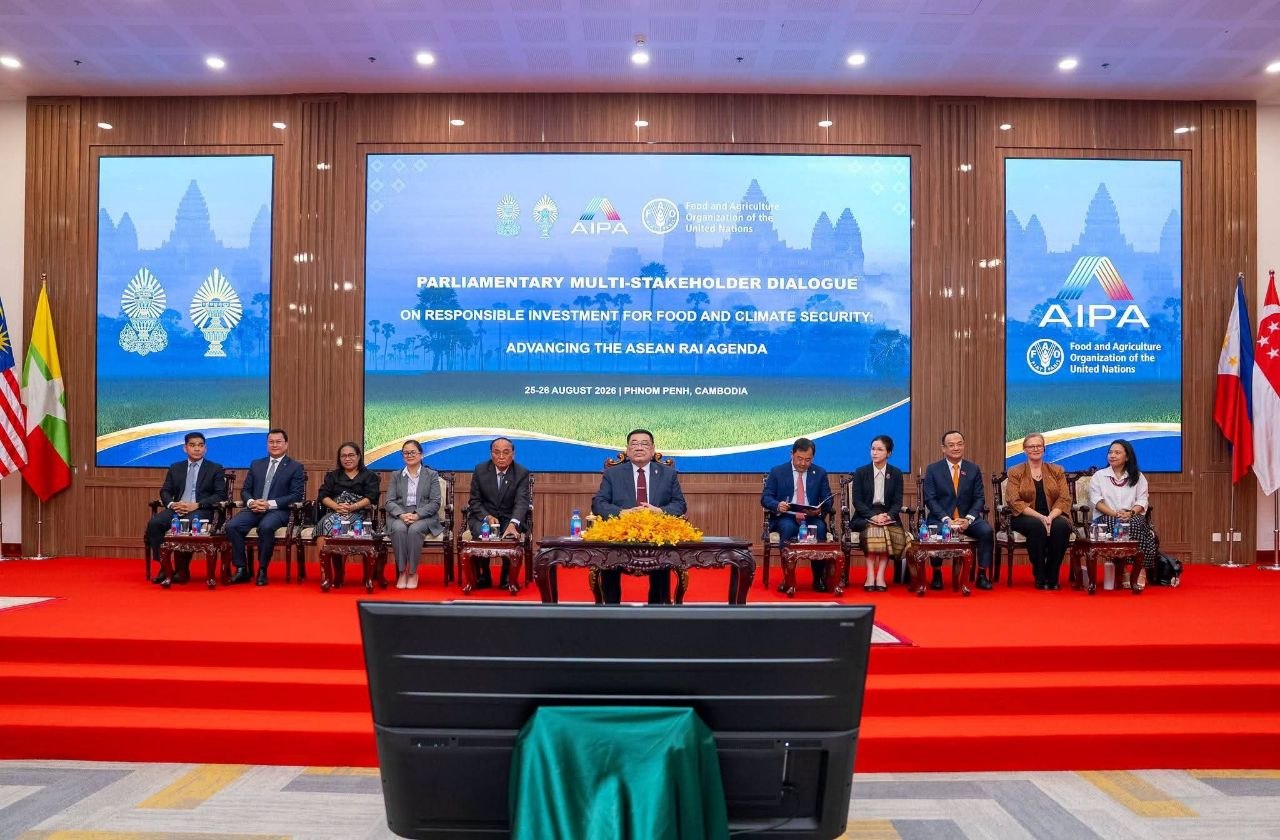
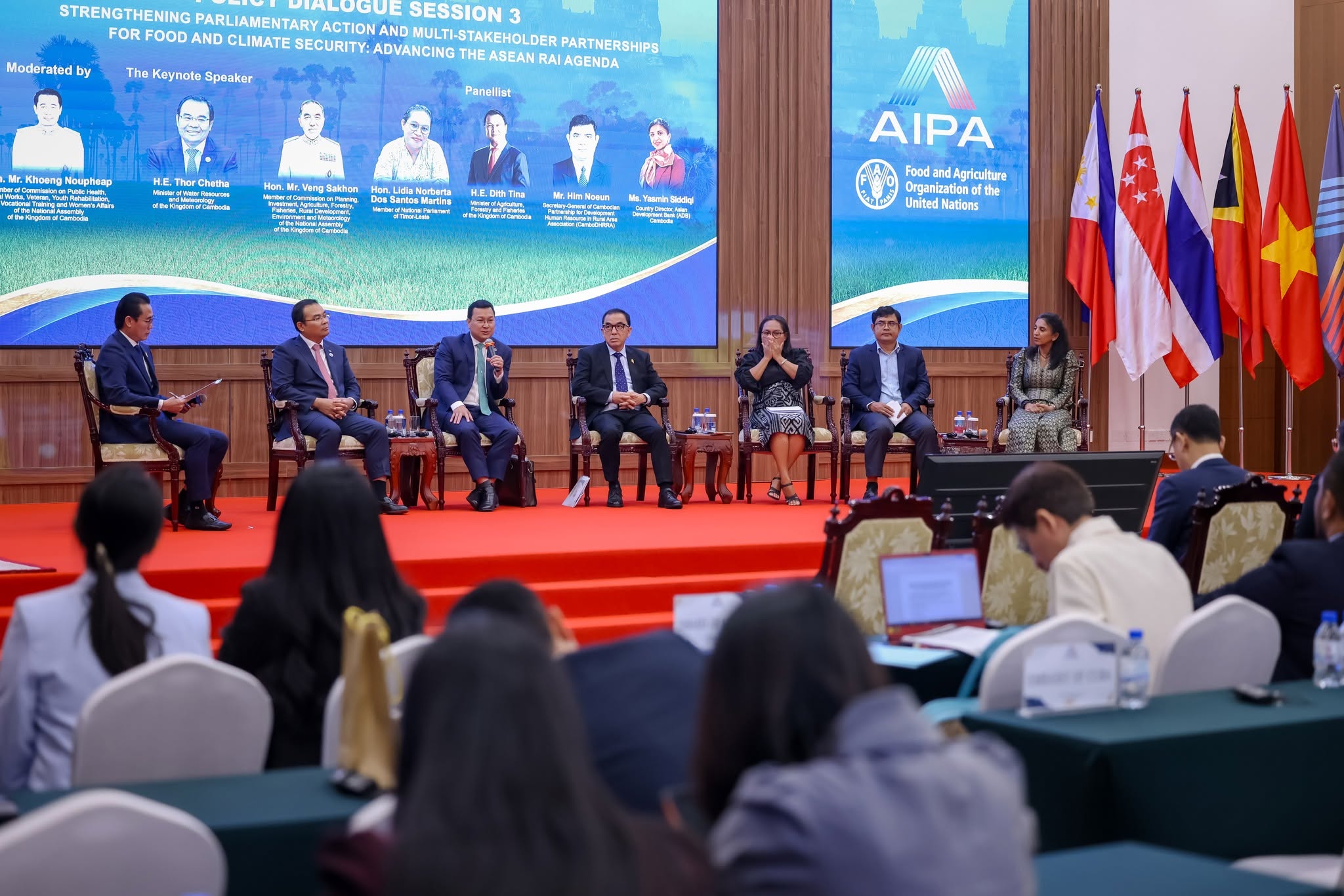
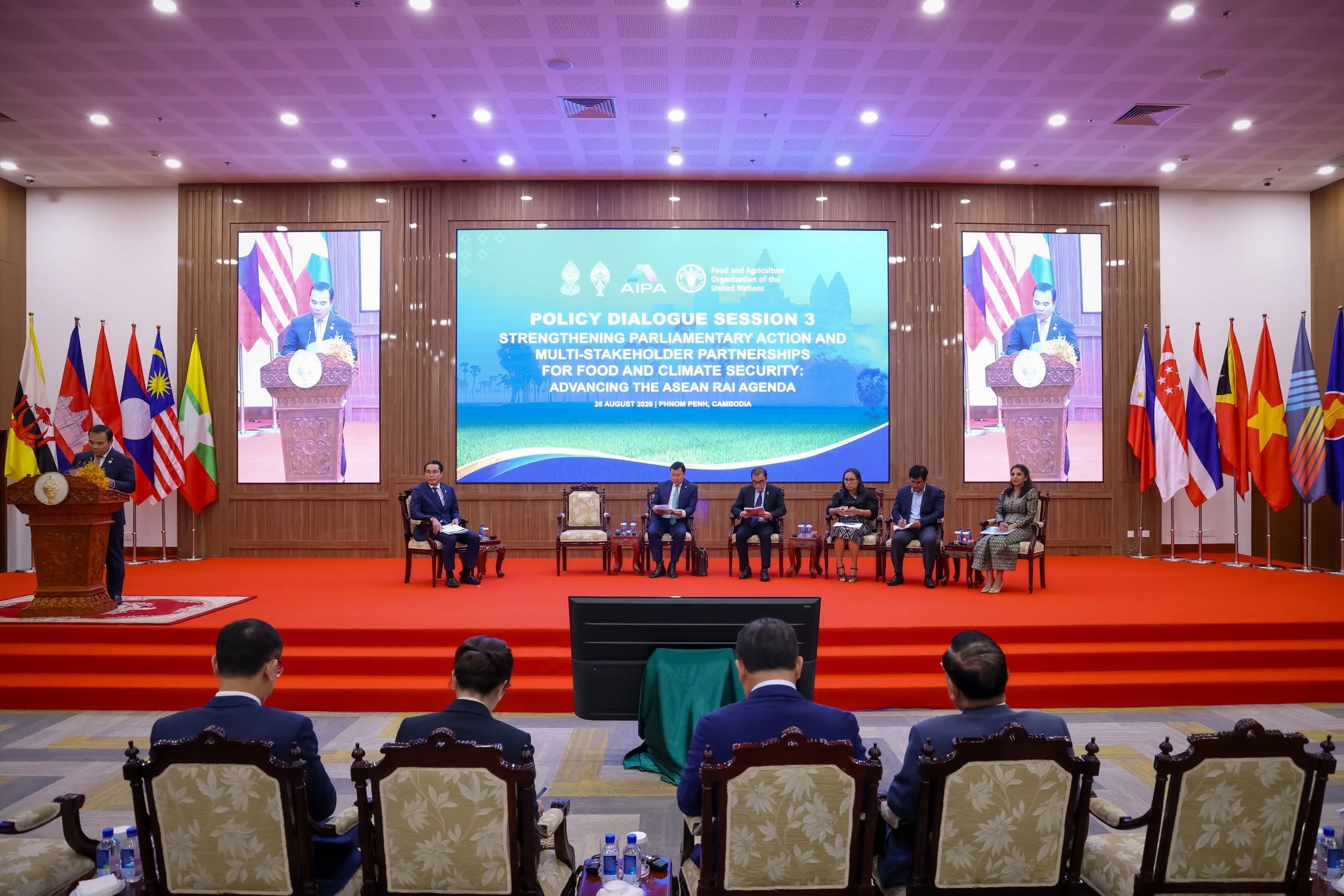
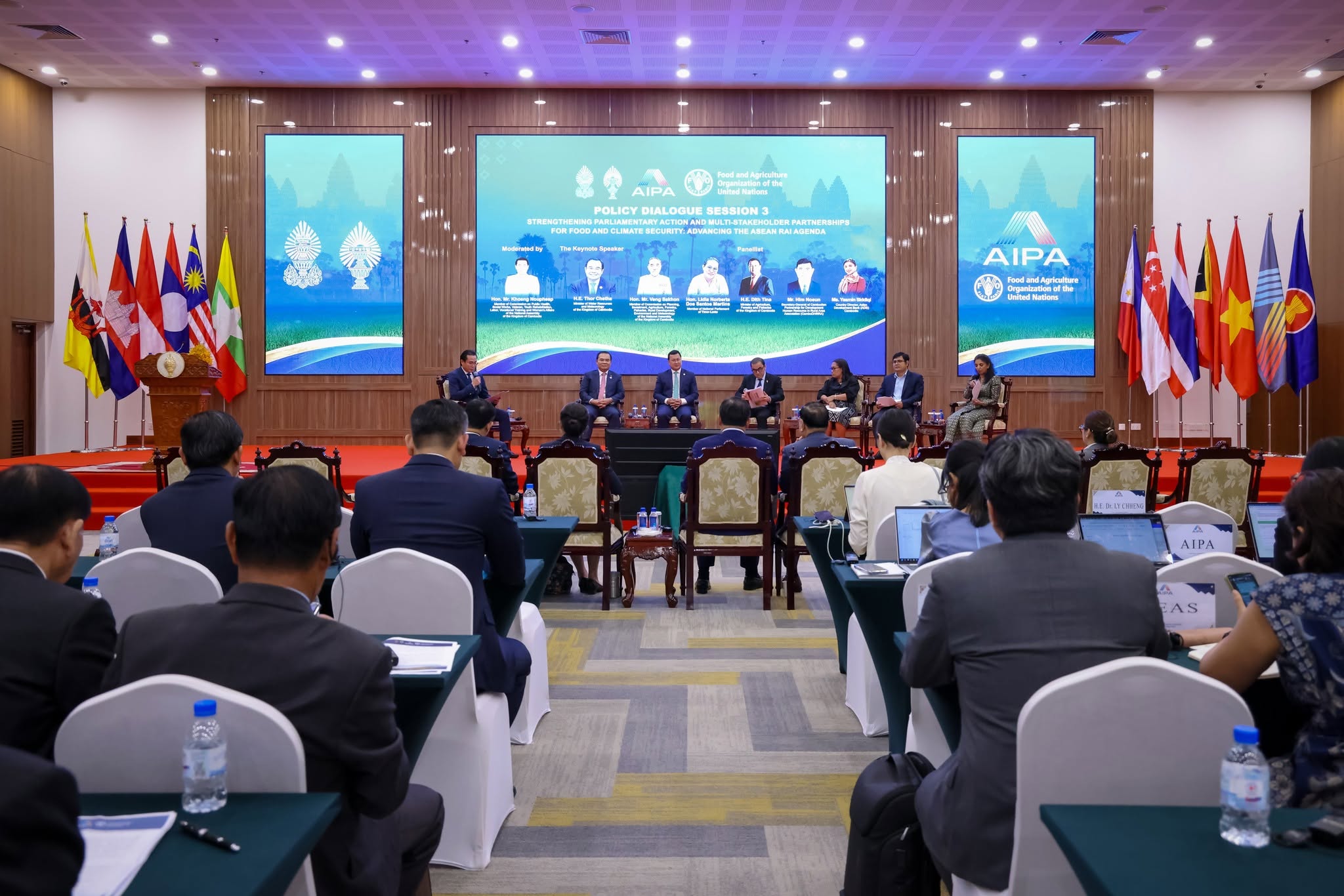
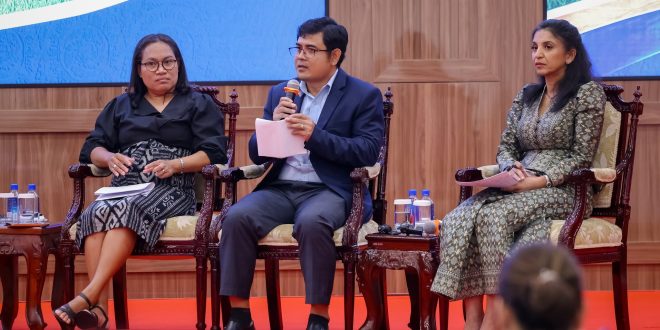
CamboDHRRA participated in the Parliamentary Multi-Stakeholder Dialogue on Responsible Investment for Food and Climate Security, held on 25 August 2026. The dialogue provided an important platform for parliamentarians, government institutions, development partners, private-sector representatives, civil society organizations, farmer organizations and other stakeholders to exchange experiences and explore practical approaches to advancing responsible agricultural investment in Cambodia.
Representing CamboDHRRA, Mr. Him Noeun, Secretary-General, presented CamboDHRRA’s experience in promoting Responsible Agricultural Investment (RAI) and highlighted the importance of translating responsible investment principles and policy commitments into practical actions that benefit farmers, strengthen food systems and build climate resilience.
Connecting Policy, Investment and Local Action
CamboDHRRA emphasized that responsible agricultural investment cannot be achieved by a single institution or sector. It requires meaningful collaboration among government, parliament, private-sector investors, development partners, civil society, farmer organizations, cooperatives and local communities.
CamboDHRRA sees its role as a bridge between policy and practice, performing three complementary functions:
• Connect – bringing together farmers, agricultural cooperatives, civil society, government, private sector, development partners and knowledge institutions.
• Translate – bringing evidence and experiences from communities and the field into policy dialogue, recommendations, learning and practical tools.
• Catalyse – facilitating partnerships that improve market access, climate resilience, sustainable production and inclusive agribusiness.
Through this role, CamboDHRRA seeks to ensure that farmers and rural communities are not only recipients of investment, but active participants and economic actors who have a meaningful voice in decisions affecting their livelihoods.
From Responsible Investment Principles to Practical Action
The dialogue highlighted the relevance of the ASEAN Responsible Agricultural Investment agenda, including the ASEAN Guidelines on Promoting Responsible Investment in Food, Agriculture and Forestry and the ASEAN RAI Parliamentary Implementation Framework 2024–2030.
These frameworks provide important principles and entry points for promoting investment that is socially equitable, economically viable and environmentally sustainable. The key challenge is now to translate these principles into practical implementation through evidence, dialogue, accountability and effective partnerships at national, provincial and local levels.
CamboDHRRA’s experience demonstrates that effective multi-stakeholder partnership should follow a continuous process:
Listen → Generate Evidence → Dialogue → Co-design → Act → Learn and Scale
This approach places farmers and communities at the centre of investment processes, ensuring that investment decisions are informed by local realities, evidence and participation rather than being developed without sufficient consideration of local needs.
Strengthening Inclusive and Sustainable Agricultural Value Chains
CamboDHRRA also highlighted that responsible investment must consider the whole agricultural value chain, rather than focusing only on production.
This includes supporting climate-resilient production, stronger producer organizations and cooperatives, value addition, quality and processing systems, traceability and standards, access to finance and technology, logistics, and inclusive domestic and regional markets.
Particular attention should be given to women and youth as economic actors and decision-makers, with improved access to finance, skills, technology, digital services and markets.
For CamboDHRRA, responsible investment should strengthen the capabilities and agency of local producers so that farmers can become stronger economic actors and capture greater value from agricultural value chains.
Priority Opportunities for Cambodia
Looking ahead, CamboDHRRA identified several important areas where responsible investment can contribute to sustainable agricultural and rural development in Cambodia:
1. Climate-resilient agriculture – including improved water management, soil health, climate-smart production, resilient infrastructure and risk management.
2. Cooperative agribusiness – strengthening aggregation, processing, storage, quality systems, business services and market relationships.
3. Women- and youth-led enterprises – expanding access to finance, technology, digital services, skills and markets.
4. Sustainable value chains – promoting traceability, responsible sourcing, standards, circular approaches and low-carbon production.
5. Blended partnerships – connecting public policy, private investment, development finance, farmer organizations and civil society.
6. Knowledge and innovation – promoting farmer-led experimentation, digital agriculture, data and scalable business models.
A Call for Institutionalized Collaboration
CamboDHRRA highlighted that parliamentary and multi-stakeholder engagement can play an important role in creating an enabling environment for responsible agricultural investment. Priority actions include strengthening policy and legislation, improving oversight and accountability, directing public investment toward climate resilience and producer organizations, institutionalizing structured dialogue, promoting inclusive investment standards, and documenting and scaling successful approaches.
To turn dialogue into action, CamboDHRRA proposed a six-step partnership pathway:
1. Identify priority investment and policy issues
2. Convene the right stakeholders, including local voices
3. Generate and validate evidence from practice
4. Co-design practical policy and investment solutions
5. Pilot solutions through partnerships and monitor results
6. Feed lessons back into policy, budgeting and investment decisions
This creates a continuous cycle of Dialogue → Partnership → Action → Evidence → Policy Improvement → Scale.
CamboDHRRA’s Commitment
CamboDHRRA believes that responsible agricultural investment requires trusted local partnerships, meaningful participation, strong farmer organizations, evidence-based decision-making and institutionalized collaboration.
Civil society has an important role in connecting policy with implementation by representing farmers and communities, generating evidence, strengthening local capacities, facilitating dialogue and building partnerships among different stakeholders.
As Cambodia continues to advance its food security, climate resilience and sustainable agricultural development agenda, CamboDHRRA remains committed to working with Parliament, government institutions, private-sector actors, development partners, civil society, farmer organizations and local communities to promote responsible investment that delivers tangible and measurable benefits for farmers and rural communities.
From Dialogue to Impact
Dialogue → Partnership → Responsible Investment → Measurable Impact
CamboDHRRA looks forward to strengthening these partnerships and supporting practical solutions that contribute to inclusive, resilient and sustainable food systems in Cambodia.